
Decoding Gen Z: The Ultimate Strategic Guide to the Culture, Workplace, and Digital Habits Reshaping Our World
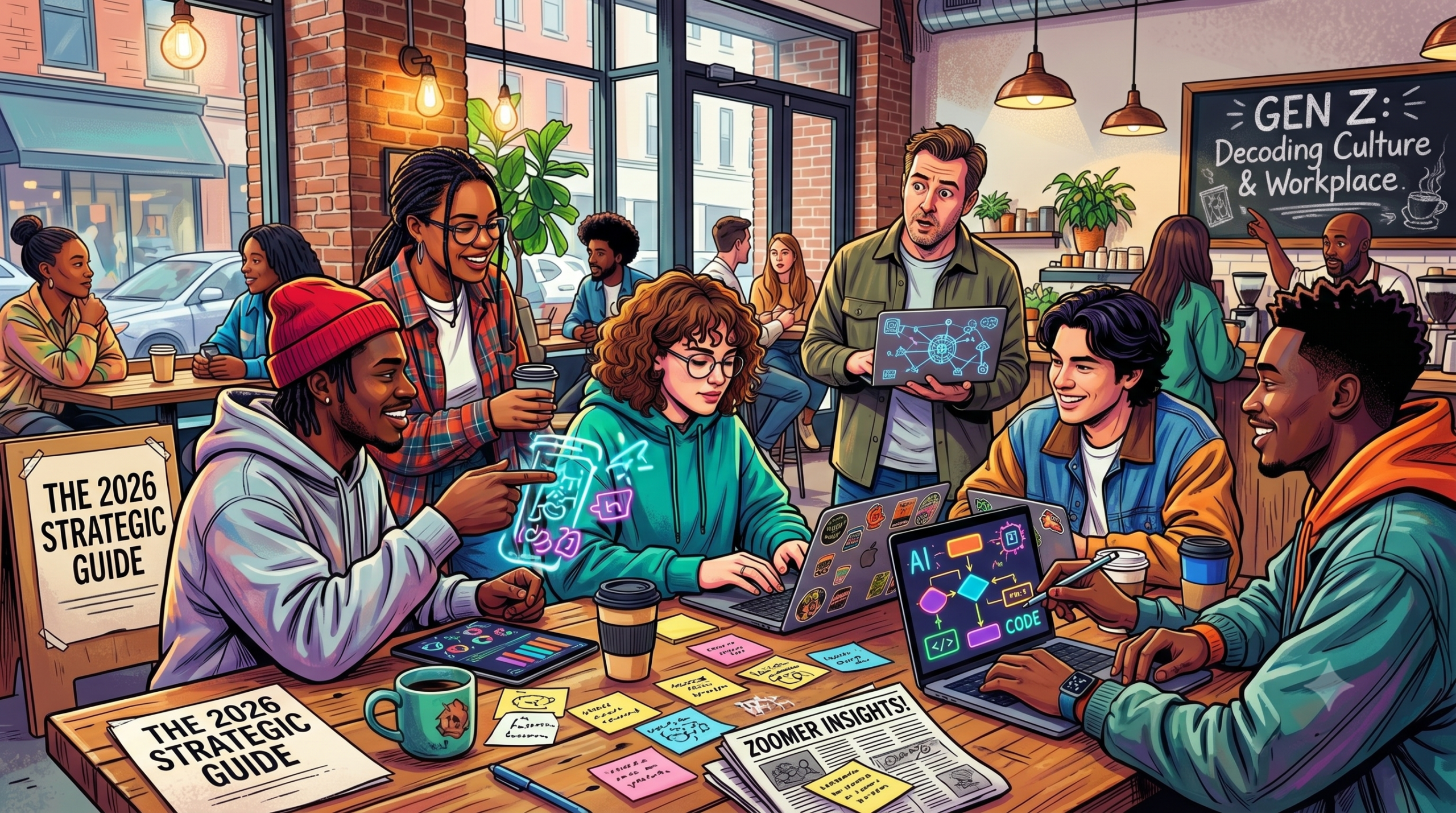
I remember sitting in a local coffee shop a few months ago, watching a handful of interns navigate their very first week on our digital marketing team. One of our veteran project managers was visibly breaking a sweat as she tried to map out a multi-step spreadsheet workflow inherited from a clunky corporate playbook used since the early 2000s. The interns, all born right around the turn of the millennium, did not look confused at all; they just looked painfully, deeply bored.
During the afternoon break, one of them quietly opened up an open-source automation app and built a basic automated macro paired with a smart, predictive workflow. By the time we called our wrap-up meeting, they had entirely eliminated the redundant manual steps that had eaten up our team’s mornings for over three years.
It was an absolute eye-opener for me. It proved that this new demographic does not merely adapt to new software platforms—they fundamentally treat technology as a natural, fluid extension of their own hands.
As we navigate through 2026, trying to understand the multi-layered identity of Generation Z—popularly known as Gen Z or Zoomers—has shifted from a casual marketing trend into an absolute necessity for every business owner, educator, and team leader on the planet. This cohort, born roughly between 1997 and 2012, is no longer composed of teenagers scrolling through viral videos in the back of a high school classroom. The oldest members of this demographic are turning twenty-nine this year. They are stepping directly into mid-career leadership positions, launching highly profitable independent startups, managing complex corporate budgets, and dictating global consumer trends.
The biggest challenge for anyone trying to understand this generation is stripping away the shallow, lazy corporate stereotypes that constantly dominate internet commentary. They are often mislabeled by outside observers as short-attention-span digital addicts who simply refuse to participate in traditional corporate structures.
In reality, when you actually spend time looking at the cold, hard data and real-world experiences, you discover a deeply pragmatic, fiercely independent, and highly entrepreneurial group of people. Having grown up against a backdrop of intense global economic shifts, changing climate realities, and a massive technological boom, they possess a unique blend of healthy skepticism and radical optimism. This guide cuts through the noise to give you a clear, honest look at the true mechanics driving Gen Z culture, their evolving workplace expectations, and how their unique worldview is fundamentally rebuilding our everyday landscape from the ground up.
The Crucible of Identity: What Elements Shaped the Zoomer Mindset?
To understand how any generation thinks, you have to look closely at the specific historical landscapes that surrounded them during their formative childhood years. While older generations like Baby Boomers or Gen X enjoyed periods of clear post-war economic predictability or stable corporate ladder progression, Zoomers were raised in an environment defined by continuous, rapid transformation. They were just toddlers when the global financial shocks of the late 2000s disrupted their parents’ households, instilling a deep-seated, early awareness of financial precarity and the fragility of traditional employment paths. This early exposure stripped away the corporate idealism that influenced previous generations, replacing it with a fiercely practical, highly protective approach to economic survival and personal stability.
| Historical Catalyst | Real-World Psychological Impact |
| Early exposure to financial shocks and structural economic instability | Deep-seated financial pragmatism and a high priority on stability |
| Growing up alongside Web 2.0, smartphones, and constant networks | Advanced digital native capacity; absolute demand for transparency |
| Accelerating environmental crises and intense socio-political shifts | High dedication to environmental sustainability and social equity |
Simultaneously, they are the very first social group to have never lived a single day of their lives without the presence of high-speed internet, interconnected mobile smartphones, and decentralized social networks. They do not remember a world before Web 2.0 or algorithmic interfaces. While Millennials can clearly recall the slow, clunky transition from dial-up desktop computers to portable mobile technology, Zoomers have treated advanced global networks as an organic background utility since birth. This hyper-connectivity did not just change how they chat with their friends; it completely revolutionized how they process information, build safe global communities, evaluate brand ethics, and challenge systemic institutions.
Furthermore, their formative years were heavily impacted by accelerating climate realities and intense global conversation surrounding equity and social justice. They have watched historic international climate movements play out in real-time across their portable screens, transforming digital spaces into powerful platforms for grass-roots advocacy and social change. Because they have had instant access to a vast, unfiltered mosaic of global cultures, human identities, and diverse viewpoints since early childhood, inclusivity and personal authenticity are not just conceptual ideals to them—they are foundational, non-negotiable baselines for how they interact with brands, employers, and society at large.
Redefining Ambition: Rebuilding the Rules of the Modern Workforce
The arrival of this demographic in the corporate landscape has sent massive shockwaves through traditional human resource departments, throwing a massive wrench into legacy corporate structures. A common mistake made by outdated managers is assuming that these younger workers lack traditional ambition or professional drive. When you read the latest comprehensive international workplace studies from 2026, you find that the ambition is absolutely burning bright; seventy-six percent of Zoomer workers state that they actively want to earn senior leadership positions and build long-term career value. However, they are completely rewriting what success looks like, refusing to sacrifice their mental health, personal boundaries, or general well-being for a corporate title.
| Outdated Corporate Standard | Evolving Gen Z Workplace Demand |
| Fixed, rigid office attendance and standard 9-to-5 desk tracking | Structured hybrid flexibility and non-linear task microshifting |
| Opaque promotion timelines and top-down hierarchy structures | Total transparency in pay scales and career advancement paths |
| Pure profit-driven focus with zero clear environmental responsibility | Authentic corporate purpose and measurable social accountability |
Unlike Millennials, who entered the job market during an era that encouraged turning your personal passion into a consuming corporate career, Zoomers view work through a beautifully realistic, practical lens. They see a career primarily as a critical financial tool designed to unlock personal security, homeownership, and lifestyle flexibility. While they deeply care about doing meaningful work, they place a massive premium on competitive baseline salaries, comprehensive healthcare benefits, and audited pay equity. They have watched older generations burn themselves out for companies that laid them off during corporate restructurings, so they approach employment with a protective, transactional mindset that values mutual respect and clear, symmetrical value exchanges.
This practical mindset explains why traditional, rigid five-day office mandates face intense resistance from this cohort. They have proven that they can manage complex operations from anywhere using decentralized collaboration interfaces, and they expect their work schedules to adapt accordingly. They are massive proponents of modern workplace concepts like non-linear task microshifting—breaking the traditional, continuous workday into shorter, highly focused blocks of autonomous output separated by dedicated restorative personal time. To attract and retain this elite technical talent, organizations must move away from superficial office perks like breakroom pool tables and instead invest in transparent pay visibility, formalized internal mentorship networks, and a clear, authentic sense of corporate accountability.
The Side-Hustle Revolution: The New Entrepreneurial Landscape
One of the most defining characteristics of this demographic is their incredible, self-starting entrepreneurial drive. Having realized early on that a standard corporate job can vanish overnight during an economic downturn, nearly half of this generation has actively dived into the modern gig economy or established an independent side business. They are not waiting around for a traditional manager to give them an opportunity to lead; they are utilizing their advanced digital literacy to build custom online stores, monetize creative skills on global freelance marketplaces, and launch digital content channels that generate billions of dollars in annual revenue worldwide.
| Entrepreneurial Feature | Real-World Strategy |
| Extreme Self-Reliance | Diversifying revenue streams through side hustles |
| Advanced App Fluency | Deploying automation to run businesses solo |
| Radical Transparency | Building personal brands through raw honesty |
This side-hustle culture is completely transforming how they view traditional corporate employment. When a Zoomer employee walks into an office, they are often running an independent digital venture on their phone during their off-hours. This gives them an unprecedented level of leverage and psychological freedom in the workplace. They know they have options outside of a standard cubicle, which makes them highly intolerant of toxic corporate behaviors, micromanagement, or poor compensation scales. They look at a business not just as a place to collect a paycheck, but as a space where they can acquire high-level technical skills, learn operational scaling strategies, and eventually apply those lessons to their own independent ventures down the line.
Furthermore, they run their personal businesses with the exact same focus on authenticity and community connection that defines their social lives. They reject the glossy, over-produced corporate marketing aesthetics of the early 2000s, choosing instead to showcase the raw, behind-the-scenes struggles of building a business from your bedroom. They build deep consumer loyalty by being brutally honest about product failures, manufacturing delays, and supply chain realities. This approach has forced traditional corporate marketing teams to completely scrap their expensive, highly polished advertising scripts and adopt a much more personal, humanized, and unfiltered style of communication just to stay relevant to the modern consumer.
The Agentic AI Shift: Navigating the 2026 Technological Frontier
As we cross through 2026, the intersection of Zoomer culture and advanced technology has centered around the massive, rapid adoption of generative artificial intelligence and autonomous system agents. While older cohorts occasionally look at the rise of advanced automation software with a sense of career anxiety or structural hesitation, Zoomers are integrating these tools into their daily professional and personal lives at an absolute breakneck pace. They do not view artificial intelligence as a scary threat designed to steal their entry-level jobs; instead, they treat it as an essential, high-powered co-worker that can eliminate routine, administrative busywork and unlock their creative potential early in their careers.
| Tech Platform/Approach | Practical Application |
| Agentic AI Assistants | Automating scheduling, summaries, and workflows |
| Visual-First Interfaces | Processing heavy data through video analytics |
| Open-Source Automation | Bypassing clunky, legacy corporate software |
They use smart automation to transcribe chaotic team meetings into actionable tasks, organize frantic schedules across international time zones, write basic code templates, and rapidly build custom software workflows. This advanced technical fluency has created a fascinating operational gap in many modern corporations. Entry-level Zoomer employees are frequently running rings around their upper management teams by utilizing cutting-edge automation tricks to finish full days of research and data analysis in a matter of hours. This means organizations must completely rethink how they structure early career pathways, allowing younger workers to move past traditional administrative gatekeeping tasks and contribute to high-value strategic decision-making much earlier in their tenure.
However, their relationship with tech is balanced by a sharp, protective focus on digital privacy, data rights, and mental health boundaries. Having grown up watching their entire lives documented on the internet, they are highly sensitive to corporate tracking and invasive workplace monitoring systems. They expect clear boundaries regarding data use, and they gravitate toward secure digital platforms that feature transparent encryption standards and robust privacy guardrails. They are also leading a massive global conversation surrounding screen time awareness, actively organizing structured digital detoxes and opting out of addictive algorithmic loops to protect their psychological health and maintain real-world connection.
Radical Authenticity: Rebuilding Global Consumer Patterns
If you look at how this cohort spends their hard-earned money, you quickly find that they are the most cynical, research-driven consumers in human history. They have an absolute, bloodhound-like instinct for detecting fake corporate posturing or disingenuous marketing stunts. When a company launches a massive, expensive public relations campaign claiming to be environmentally friendly or socially responsible, a Zoomer consumer will instantly pull out their phone, dig through the company’s public supply chain data, audit their corporate board diversity metrics, and share their findings with millions of people on social media in a matter of minutes.
| Fake Corporate Posturing | Authentic Value Alignment |
| Surface-level marketing campaigns and trendy corporate buzzwords | Audited, verifiable supply chains and ethical production processes |
| Expensive celebrity endorsements and scripted television spots | Peer-to-peer recommendations and raw, unedited community feedback |
| One-size-fits-all products with generic corporate customer design | Hyper-personalized experiences that respect personal identity |
They choose to invest their money in brands that display a genuine, auditable commitment to sustainability, fair labor practices, and ethical production methods. They want to feel an intense sense of pride in the companies they support, and they view every single purchase as a direct reflection of their personal values. This explains the massive, unprecedented boom we are seeing in circular fashion economies, local artisanal production networks, and peer-to-peer marketplace platforms. They would much rather spend their money on a high-quality, pre-owned vintage item that tells a unique human story than buy a mass-produced piece of fast fashion from a faceless multi-national corporation.
Personalization is another absolute requirement for this demographic. They reject one-size-fits-all corporate experiences, expecting platforms to intuitively understand their unique identities, custom preferences, and individual lifestyles. They don’t want to be targeted as a generic demographic block; they want to be seen as distinct human beings with fluid tastes and evolving perspectives. Brands that want to survive the next decade must stop relying on slick, top-down advertising declarations and instead focus on building transparent, peer-to-peer relationships with their audience, treating the consumer as an active, respected collaborator in the product development process.
The Mental Health Dialogue: Erasing the Legacy Stigma
It is absolutely impossible to talk about the identity of this generation without addressing the massive, paradigm-shifting conversation they are leading around mental health awareness and psychological well-being. They are historically the most stressed, anxious, and depressed demographic cohort, a reality driven by a relentless twenty-four-hour news cycle, early economic instability, and the unique social pressures of growing up in a hyper-connected online matrix. However, instead of hiding these challenges away in shame or suffering in silence like older generations often did, they have chosen to drag the entire topic into the light of day with absolute, unfiltered honesty.
They have completely erased the legacy stigma surrounding therapy, psychiatric care, and emotional vulnerability. For a Zoomer, discussing your regular therapy sessions or sharing your daily strategies for managing severe generalized anxiety is just as natural as talking about your weekend workout routine or your favorite television show. This radical openness has completely transformed modern workplace expectations, forcing corporations to move past generic wellness brochures and instead offer flexible mental health personal days, structural emotional intelligence training for corporate managers, and comprehensive, barrier-free psychological support benefits.
This focus on mental health also directly influences how they build personal communities and evaluate their relationships. They place an immense value on creating safe, supportive spaces where people can show up as their authentic selves without fear of judgment or exclusion. They protect their emotional boundaries with a level of fierce discipline that occasionally surprises older observers, and they are quick to step away from toxic environments, whether that means a high-paying corporate job with an abusive boss or a personal relationship that consistently drains their energy. They understand that true professional achievement and personal success are completely worthless if they come at the expense of your fundamental peace of mind.
Looking Beyond the Horizon: How the Zoomer Legacy Will Shape the Future
As we look forward at the remainder of the decade, it is clear that the global landscape will continue to adapt to the rhythm and values of this incredible demographic cohort. They have proven that they possess the technical skill to deploy complex automated software, the financial pragmatism to build robust independent businesses during periods of market volatility, and the moral clarity to demand absolute transparency from our massive societal institutions. They are quietly constructing a world that values human authenticity over corporate polish, structured flexibility over rigid traditional hierarchy, and systemic accountability over superficial marketing slogans.
The changes they are implementing right now will set the baseline cultural, technological, and economic norms that the younger Generation Alpha will encounter as they begin stepping into their own adult paths over the coming years. Whether you are an executive trying to future-proof an international corporation, an educator designing a modern learning curriculum, or a regular person simply trying to connect with the young talent in your family, learning to respect and align with the unique mechanics of the Zoomer mindset is the absolute smartest choice you can make. They are no longer just the future of our world—they are confidently running the show right now, and the world is infinitely more dynamic, honest, and connected because of their leadership.
Frequently Asked Questions
What are the main birth years that define Generation Z?
The professional research community and major demographic institutions generally define Generation Z as individuals born between 1997 and 2012. This precise window positions them directly between the Millennial generation and the younger cohort known as Generation Alpha.
Why does this demographic place such a massive priority on workplace flexibility?
Having grown up utilizing advanced global collaboration tools, decentralized software platforms, and mobile connectivity, they view rigid office attendance as an outdated, unnecessary corporate tracking metric. They prioritize structured hybrid arrangements because it allows them to protect their mental health, maintain personal boundaries, and work during their peak hours of cognitive productivity.
Are side hustles just a passing trend for this generation?
No, side hustles are a permanent, structural component of their long-term financial survival strategy. Having witnessed significant corporate restructurings and global economic shifts during their childhoods, they view relying entirely on a single corporate employer as a major financial risk, choosing instead to diversify their income streams through independent ventures.
How do Zoomers typically evaluate corporate sustainability claims?
They bypass high-budget marketing slogans and instead use their advanced digital native capacity to actively audit a company’s real-world data. They review public supply chain transparency, carbon offset verification sheets, and labor practices, relying heavily on peer-to-peer digital investigations rather than traditional corporate press releases.
What is the best way for older managers to communicate with Zoomer employees?
The most effective approach is to drop formal, overly produced corporate jargon and instead communicate with direct, humanized honesty and clear expectations. They respect managers who value transparency, provide regular constructive feedback, respect personal life boundaries, and treat them as valuable, individual contributors regardless of their tenure.









Leave a Reply